
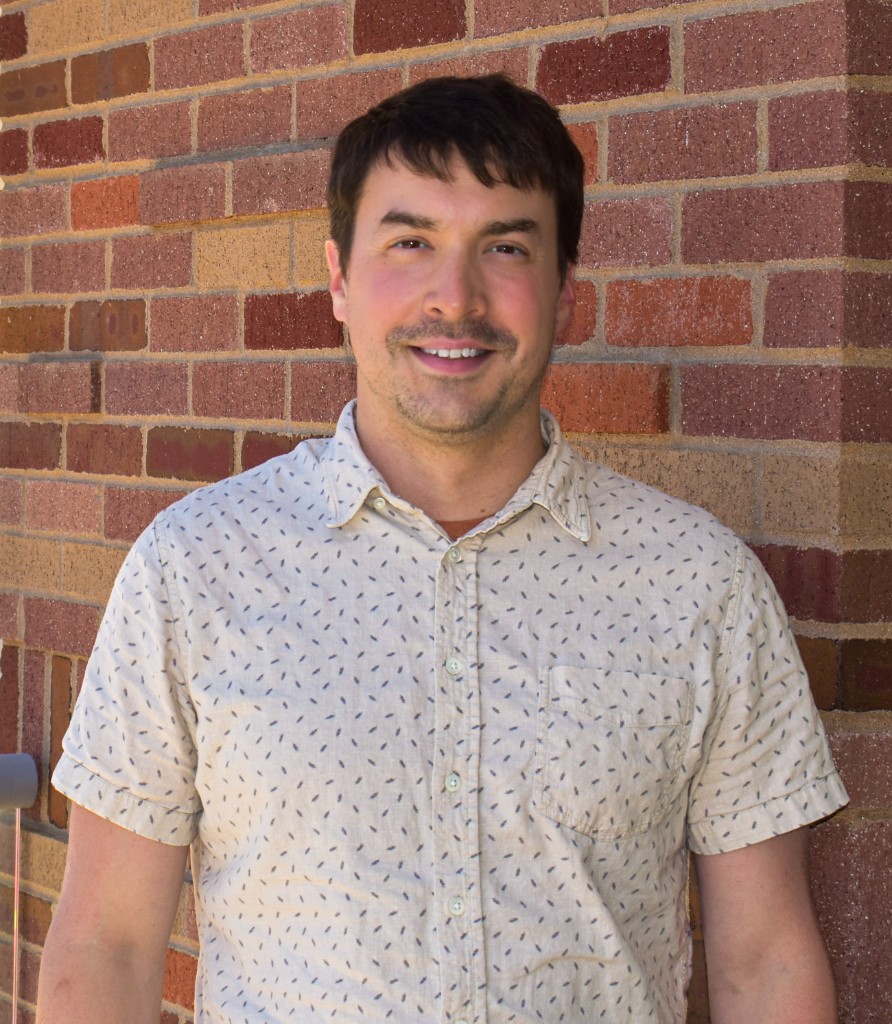
Nathan M. Belliveau
Principal Investigator
We study how cells sense and respond to physical and bioelectrical cues, signals as important as chemical messages but far less understood. Our goal is to uncover the molecular mechanisms that enable cells to detect these physiochemical signals and use this knowledge to engineer cell behavior for therapeutic benefit. We pursue this work in the highly interdisciplinary environment of the BioFrontiers Institute and as part of the Department of Biochemistry at CU Boulder.
Our main focus is on bioelectric guidance, how cells navigate in response to natural electric fields, such as those that arise during wound healing. We recently identified Galvanin, a novel electric field sensor in immune cells, revealing a new way that rapidly moving cells integrate electrical cues into migration and signaling. We are also interested in other receptors involved in cell motility and the roles they play in disease.
We are combining live-cell imaging, synthetic biology, biophysics, and functional genomics to:
By combining mechanistic discovery with tool development, we aim to build a deeper understanding of the physical biology of cells, and use that insight to design new strategies for human health.
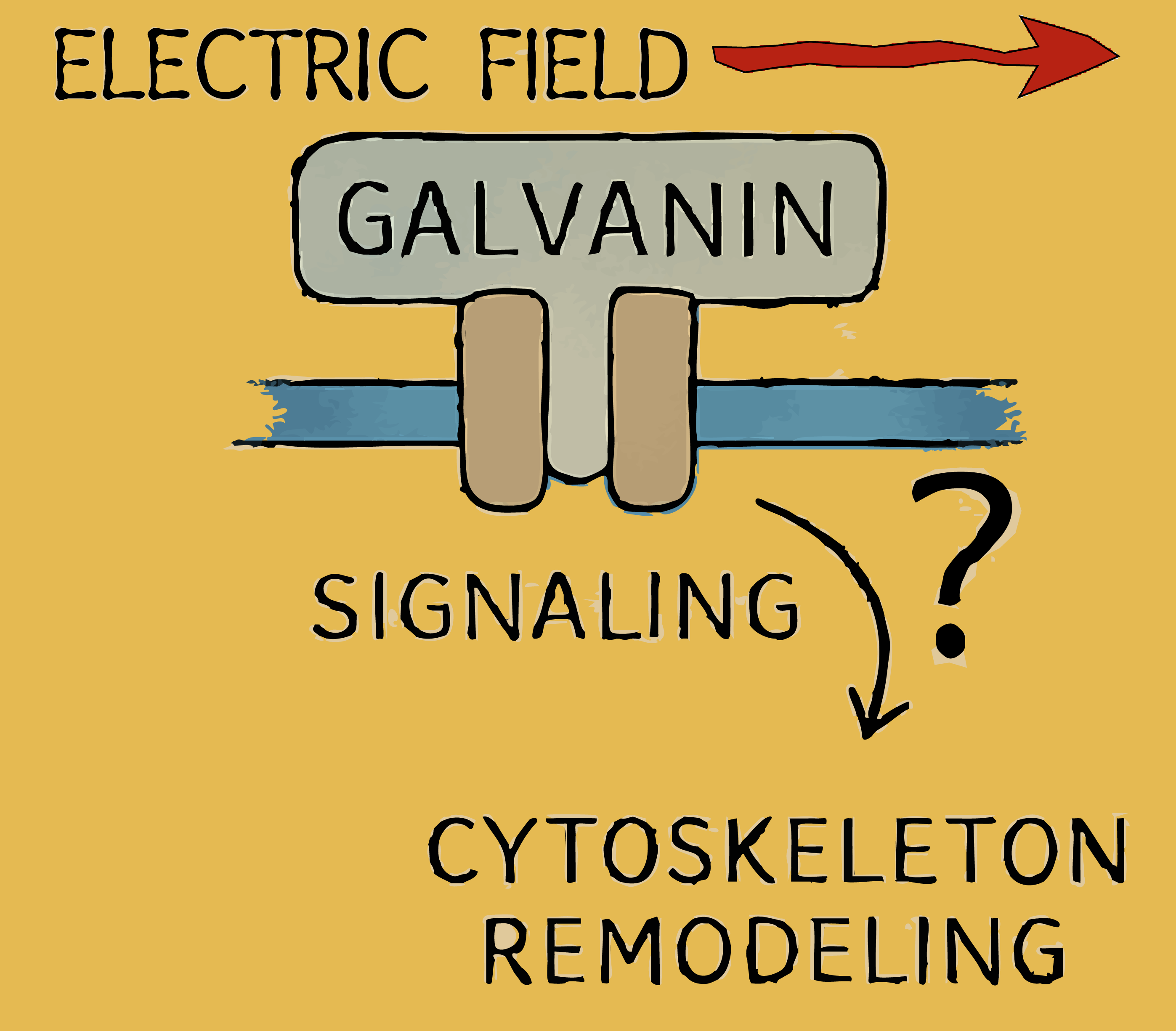
We aim to uncover how the recently identified electric field sensor, Galvanin, detects and transduces bioelectric cues into directed cell migration. Using live-cell imaging and synthetic biosensors, we will dissect the molecular pathways linking Galvanin’s localization and dynamics to cytoskeletal remodeling, steering cell movement at the single-cell level.
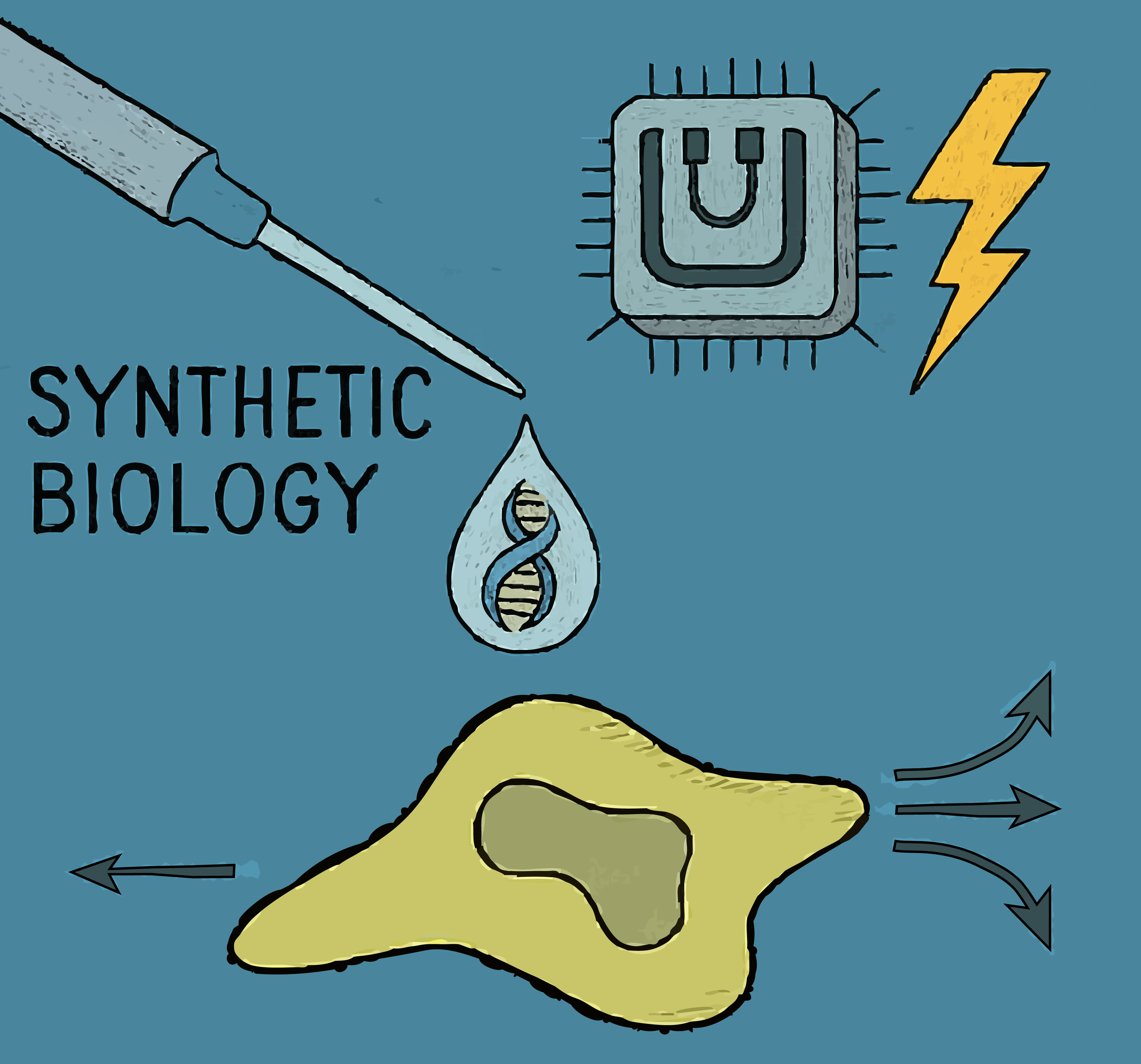
We are developing genetic and synthetic biology tools to precisely control cell migration in complex environments. By engineering Galvanin-based constructs and other bioelectric sensing modules, we aim to direct immune cell movement for applications in immunotherapy, wound healing, and regenerative medicine.
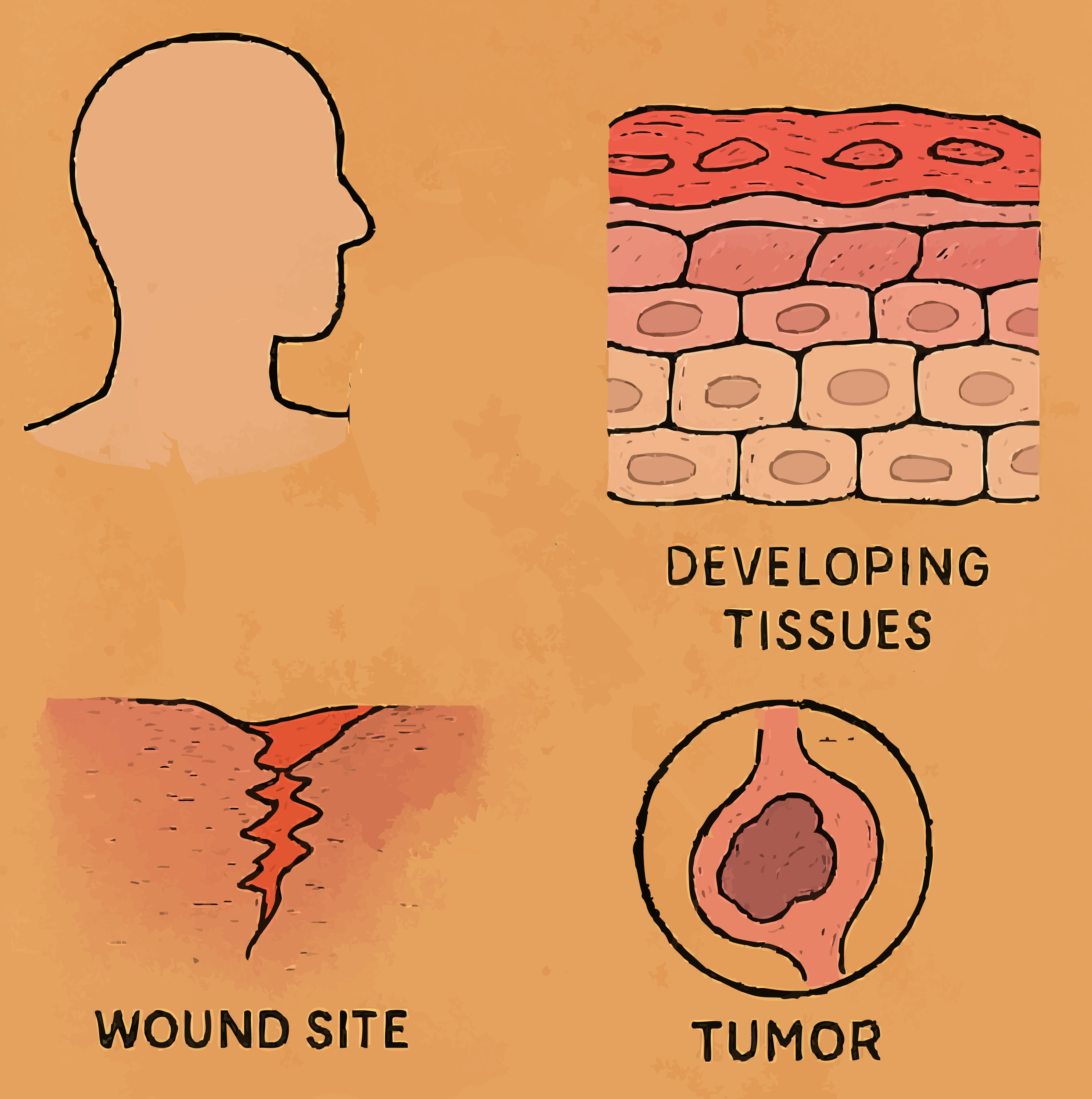
Electrical and chemical signals are present in diverse physiological contexts, from wound sites to developing tissues to tumor microenvironments. Dysfunctional signaling also has important consequences on our immune response during infection. We are probing how immune cells interpret and utilize different cues in health and disease.
We are building a collaborative, interdisciplinary lab focused on how cells sense and respond to external cues. If you are interested in joining the lab or would like to inquire about potential opportunities, get in touch.
Principal Investigator
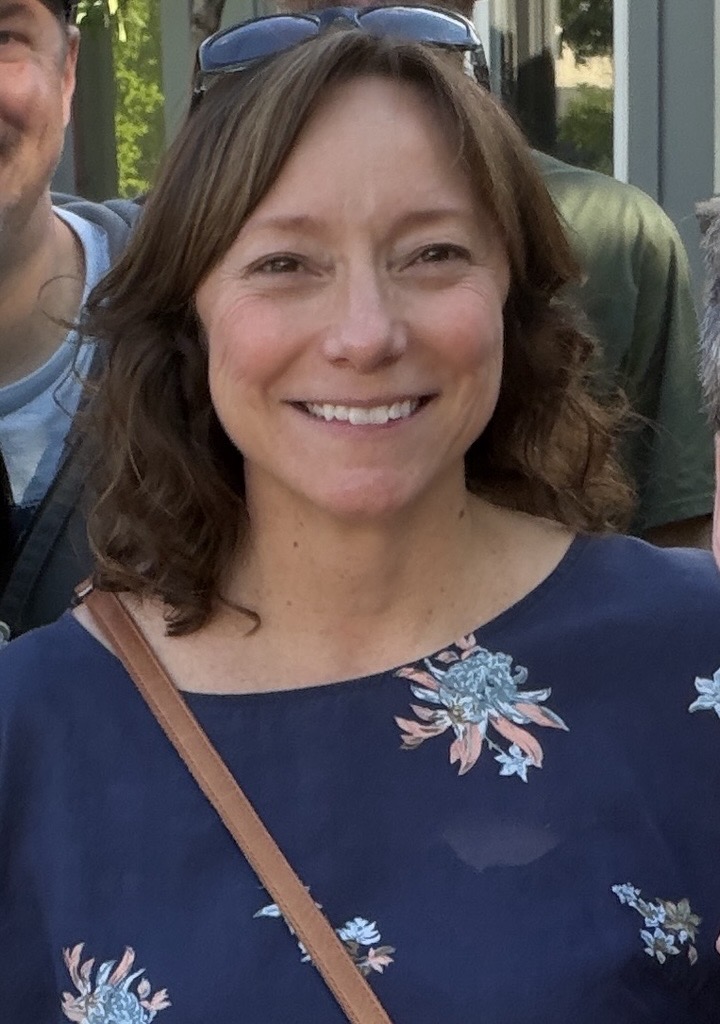
Senior Professional Research Assistant
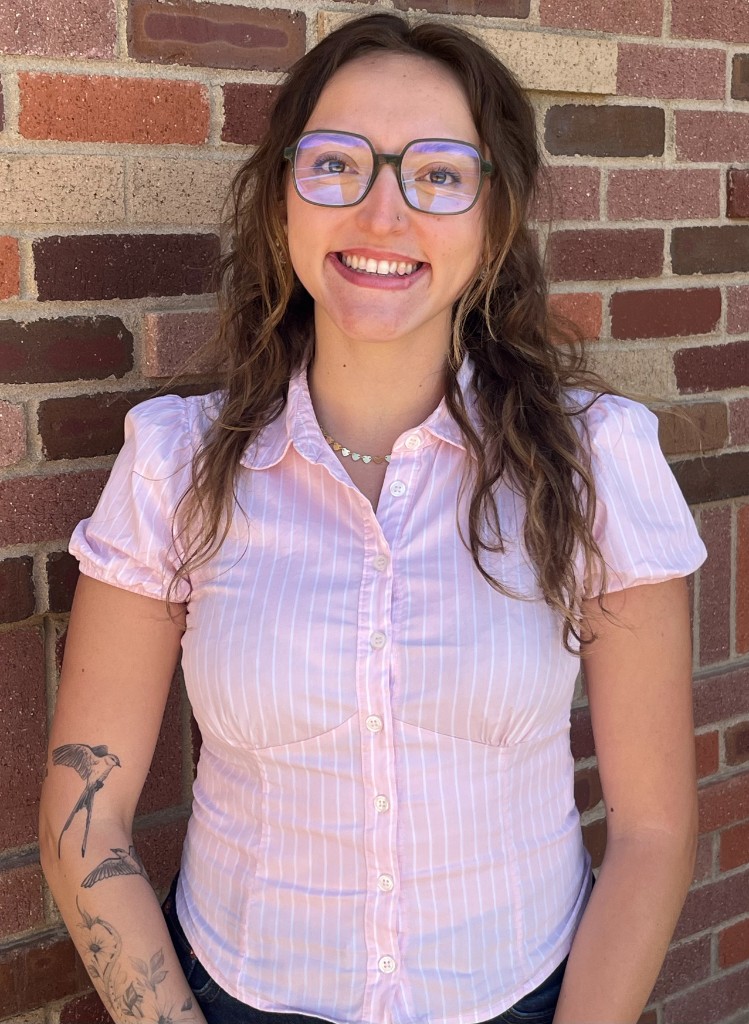
Graduate Student, Chemical Engineering
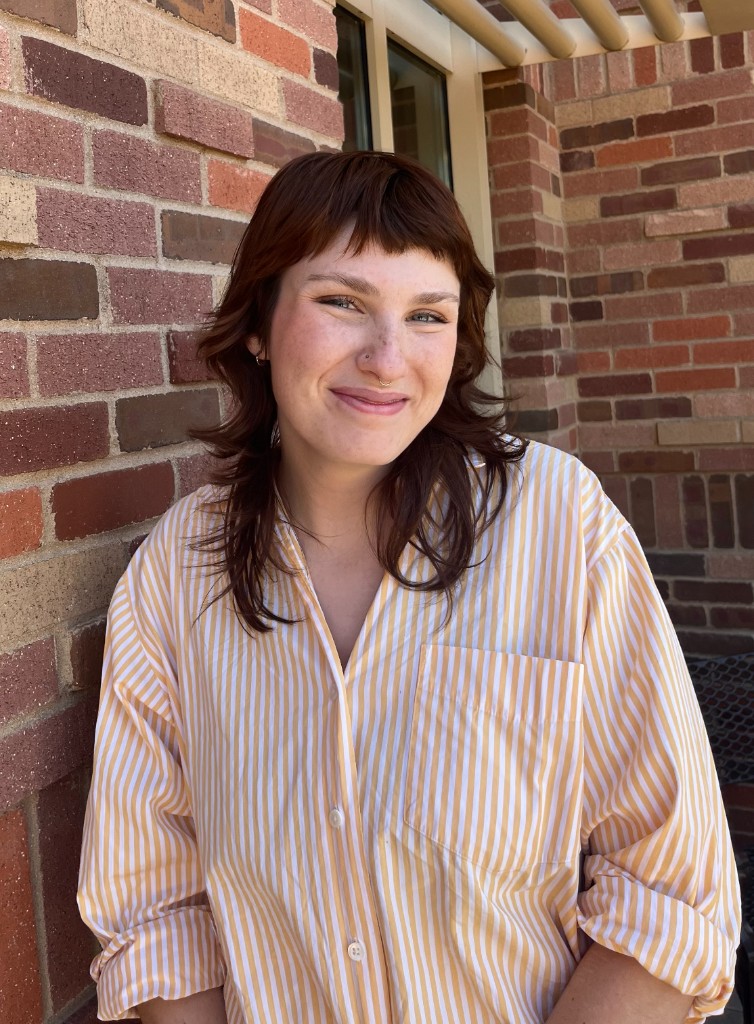
Graduate Student, Biochemistry
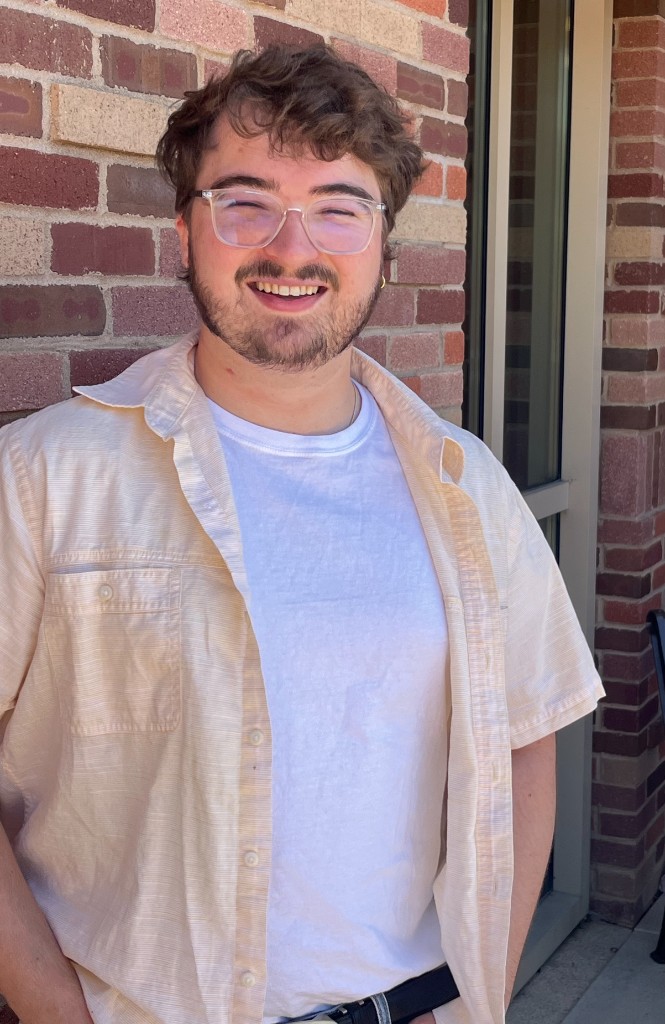
Graduate Student, MCDB
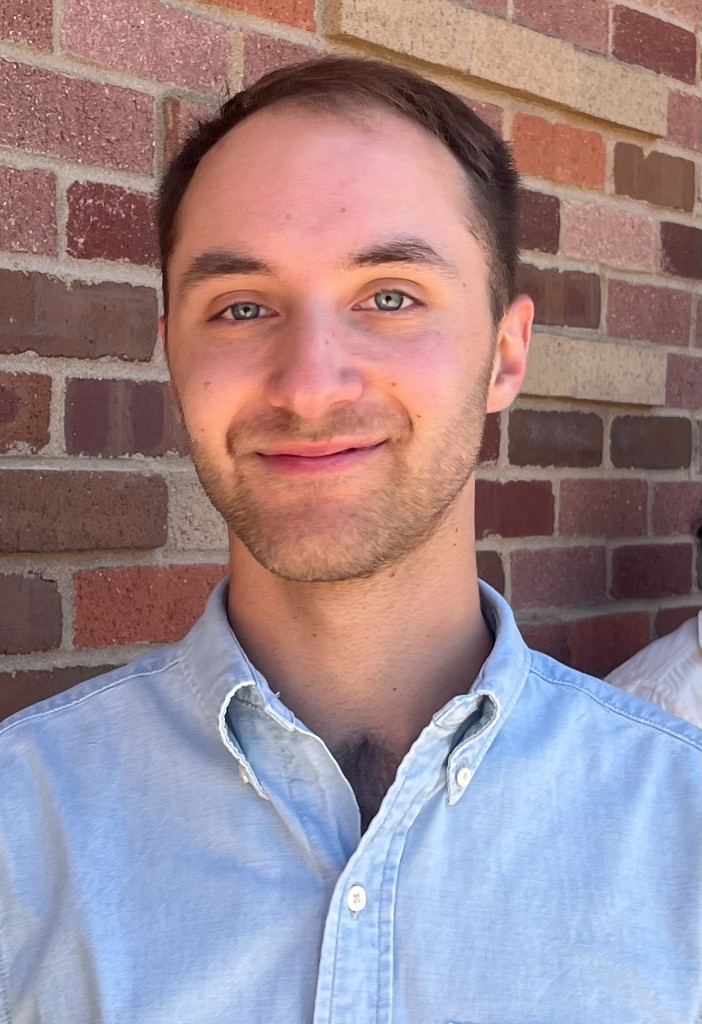
Undergraduate Researcher, Biochemistry
Maya Oza , Undergraduate Researcher, Biochemistry
Lucinda Shaffer , Rotation Student, IQ Biology
Vanessa Nguyen , Rotation Student, Biochemistry
Shreya Sharma , Rotation Student, Biochemistry
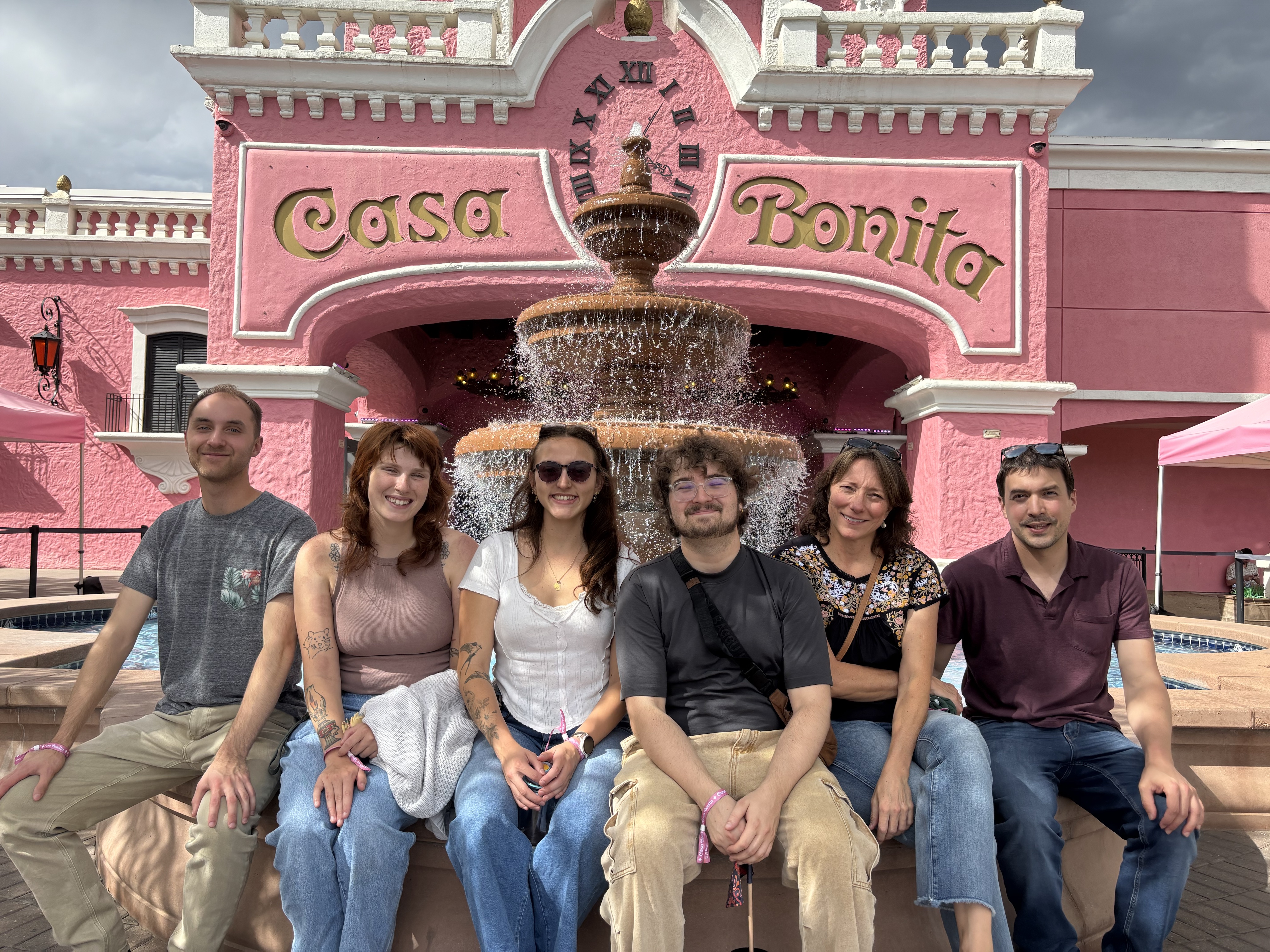
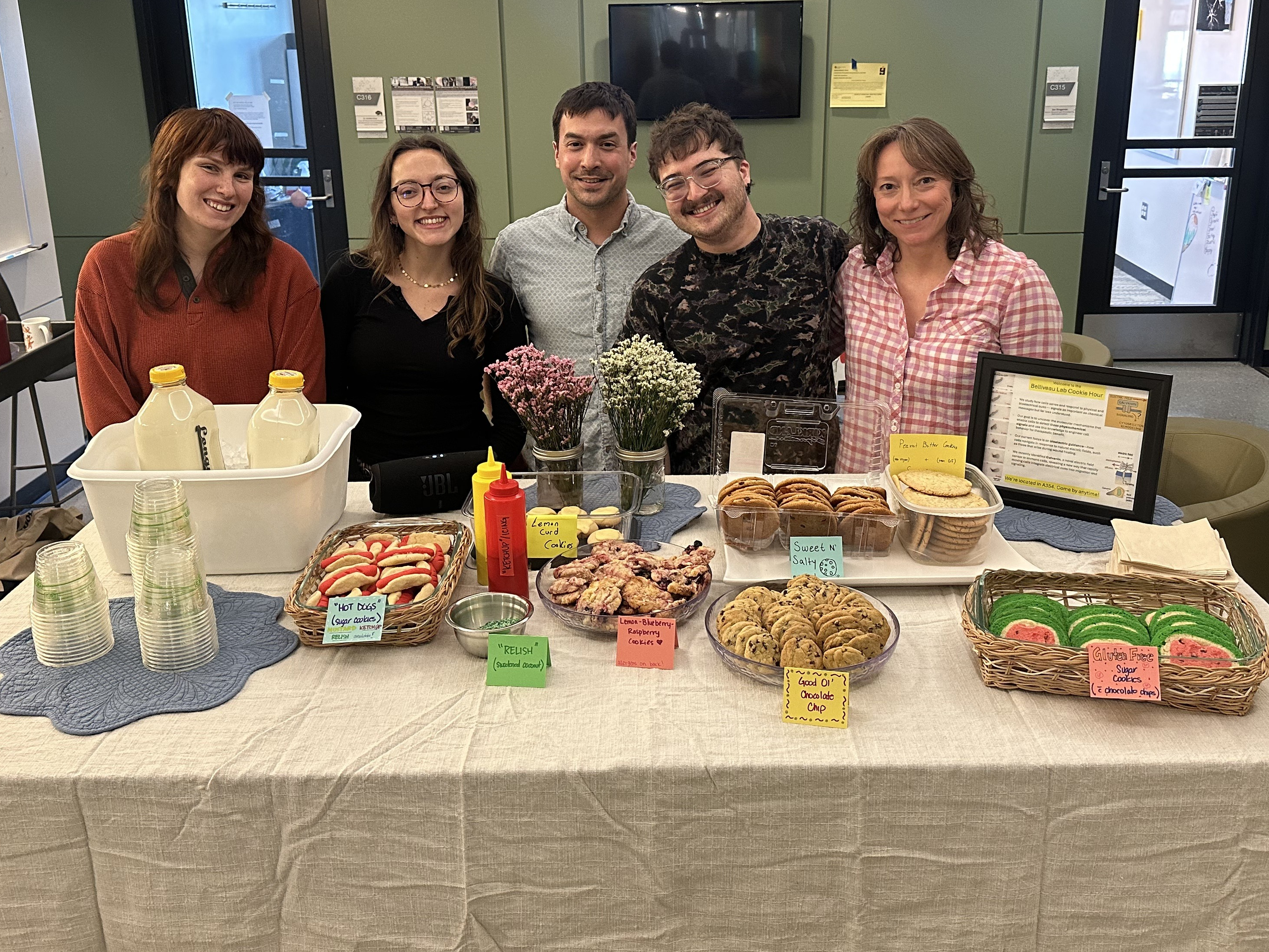
We believe science works best when people feel supported, respected, and free to share ideas. We are committed to building an inclusive, collaborative environment where curiosity, rigor, and generosity all matter.
nathan.belliveau @ colorado.edu
University of Colorado Boulder
Department of Biochemistry and BioFrontiers Institute
Jennie Smoly Caruthers Biotechnology Building (JSCBB)
Office: JSCBB A320, Lab: JSCBB A354, A368